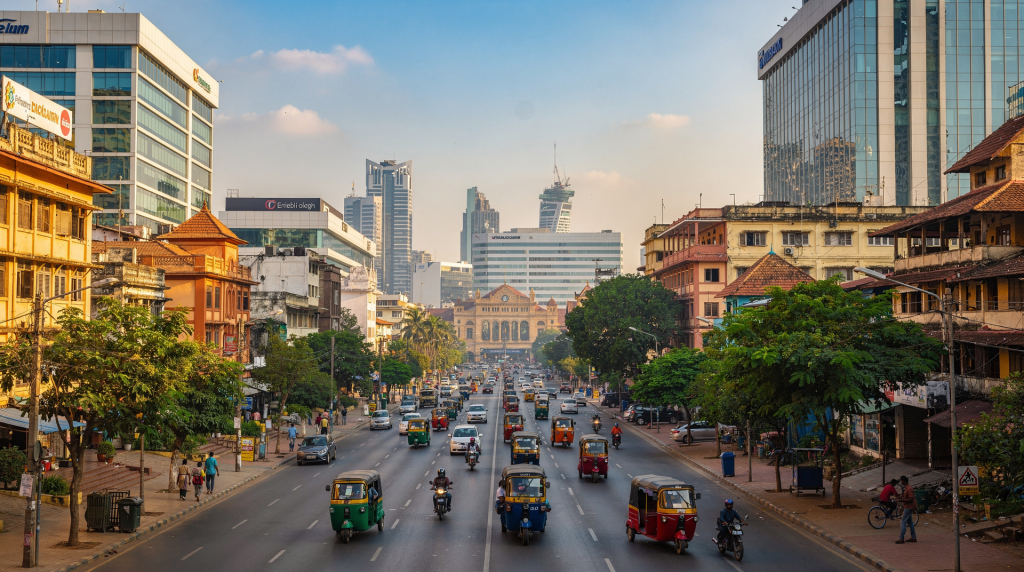
Bangalore works best when you treat it as two cities at once: a fast-moving tech capital and a surprisingly green, culture-rich base for slower travel. If you plan your days around traffic, choose the right neighborhood, and mix iconic sights with local food and park time, the city becomes much easier to enjoy.
Why Bangalore is worth a trip
Bangalore is not a “see everything in one day” destination. Its strength is variety: historic landmarks, leafy parks, temple architecture, breweries, shopping streets, and easy access to short trips like Nandi Hills. The city also has a cooler climate than much of India, which makes walking and outdoor time more comfortable than in many other metros.
What often surprises first-time visitors is how the weather shapes daily life. From October to February, mornings can be crisp enough for a light jacket, while March through May brings dry heat that peaks by early afternoon. The monsoon months—June to September—deliver sudden downpours that can throw off even the best-laid plans, so having an indoor backup is less a luxury and more a practical necessity. For anyone considering a longer stay, this climate is one of the city’s quiet advantages: you can be outdoors year-round without the oppressive humidity of Mumbai or the scorching summers of Delhi.
Best things to do in Bangalore
1. Start with the classic landmarks
- Lalbagh Botanical Garden: one of the city’s most reliable stopovers, known for plant collections, seasonal flower shows, and the Glass House. I recommend arriving by 6:30 a.m., when the only people inside are joggers, yoga regulars, and a few photographers capturing the morning light. The Republic Day flower show in January transforms the garden into a riot of colour, but it also draws crowds that can make a quiet stroll impossible.
- Bangalore Palace: a Tudor-style landmark with lawns, carved interiors, and a strong royal feel. The architecture is an odd but charming mix—think Scottish castle meets Indian palace. Inside, the hunting trophies and vintage photographs tell a story of a pre-Independence aristocracy that few other sites in the city capture. Budget about 45 minutes for the interior; the grounds are worth an extra 20 minutes if the weather is kind.
- Cubbon Park: ideal for an early walk, with shaded paths and several heritage buildings nearby. The High Court and State Central Library sit at its edges, so you can combine a morning walk with a glimpse of the city’s administrative heart. On Sundays, the park becomes a car-free zone, which makes it a favourite for families and cyclists.
- Tipu Sultan’s Summer Palace: a compact but important heritage stop for Indo-Islamic architecture. The wooden pillars and floral frescoes are the real draw here—they’re a reminder of the craftsmanship that flourished under Tipu’s rule. It’s small enough that 30 minutes is sufficient, and it pairs well with a visit to KR Market nearby.
- Vidhana Soudha: best seen from the outside; it is one of the city’s most recognizable government buildings. The illuminated facade after sunset is the money shot, but security is tight, and interior access is restricted to those with official business. A quick photo stop from the opposite side of Dr. Ambedkar Road is usually enough.
2. Add temples and cultural stops
- ISKCON Temple, Rajajinagar: popular for its scale, architecture, and evening aarti. The temple complex is vast and well-organised, and the vegetarian meals served here are a reliable option if you’re hungry after exploring. For long-term residents, the temple also functions as a community anchor, with regular cultural programmes and a steady stream of visiting speakers.
- Bull Temple: a good pick if you want a traditional older Bengaluru temple experience. The monolithic Nandi statue dates back to the 16th century, and the adjacent Bugle Rock park offers a rare elevated view of south Bangalore. It’s less polished than ISKCON, but that’s precisely the appeal.
- Karnataka Chitrakala Parishath and the National Gallery of Modern Art: useful if you want a quieter, more cultural half-day. The gallery shop at Chitrakala Parishath is one of the better places in the city to pick up non-touristy art and crafts. NGMA, housed in a restored colonial bungalow, often hosts exhibitions by contemporary Indian artists that you won’t find elsewhere.
3. Go beyond the standard sightseeing loop
- KR Market / City Market: best visited early for flowers, produce, and an energetic local scene. This is a working wholesale market, not a sanitised tourist stop—expect jostling, shouting, and the occasional splash of water from a flower stall. Photographers should aim for the 6–7 a.m. window, when the light streams through the old structure and the marigold piles are at their freshest.
- Commercial Street and Brigade Road: useful for shopping, street food, and easy browsing. Bargaining is expected in the smaller shops, especially for textiles and costume jewellery. Brigade Road has more branded outlets, while Commercial Street leans toward independent retailers.
- Ulsoor Lake: good for a calmer city break and an easy walk. Water quality varies, so I wouldn’t plan a picnic on its banks, but a morning walk along the perimeter path is pleasant enough. The surrounding area has a strong military presence, which adds a different texture to the neighbourhood.
- Bannerghatta Biological Park: a better pick for families or anyone wanting a wildlife-focused outing on the city’s edge. The safari experience is modest by international standards, but it’s one of the few places near Bangalore where kids can see lions and tigers outside a zoo enclosure. Book the safari slot in advance, and plan for a full day given the distance from the city centre.
- Nandi Hills: a strong half-day or day trip if you want sunrise views and a break from the city. On weekends, the summit gets packed by 7 a.m., so a 4 a.m. departure from central Bangalore is not an exaggeration. For cyclists and long-term residents, a weekday ride up the hill is a rite of passage—the gradient is steady, and the descent is rewarding.
4. Eat and drink like a local
Bangalore is one of the best cities in India for café culture, pubs, and casual dining. A practical approach is to pair one sightseeing block with one food block rather than trying to do too much in a single day.
The city’s food landscape splits roughly into three layers: old-school South Indian eateries that have been running for decades, the craft beer and café scene concentrated in Indiranagar and Koramangala, and street food pockets around markets and temples. Knowing which layer you’re in helps set expectations—and prices.
Good local food priorities:
- Masala dosa — aim for legacy spots like Vidyarthi Bhavan or MTR, where the recipe hasn’t changed in 50 years
- Filter coffee — any neighbourhood darshini will serve it, but the experience is better in a place with stainless steel tumblers and a busy counter
- South Indian thali — Nagarjuna and similar Andhra-style restaurants serve a fiery version that’s a step beyond the milder Karnataka thali
- Craft beer and brewery food — Toit, Arbor Brewing Company, and Windmills Craftworks are reliable starting points
- Street snacks around older market areas — chaat, bajji, and freshly fried vada near KR Market or Malleswaram
A simple 2-day Bangalore itinerary
Day 1: Heritage and green spaces
- Early morning at Lalbagh Botanical Garden
- Breakfast nearby — MTR on Lalbagh Road is a classic choice
- Bangalore Palace
- Cubbon Park
- Vidhana Soudha photo stop
- Dinner in central Bangalore — the area around Church Street has plenty of options
Day 2: Old city and culture
- Early visit to KR Market
- Tipu Sultan’s Summer Palace
- Bull Temple or ISKCON Temple
- National Gallery of Modern Art or Chitrakala Parishath
- Evening shopping on Commercial Street
If you only have one day, focus on Lalbagh, Cubbon Park, Bangalore Palace, and one cultural stop. That gives you the city’s most balanced first impression.
Getting around Bangalore
Traffic is the main factor that shapes the Bangalore travel experience. Distances that look short on a map can take much longer at peak hours, so route planning matters more here than in many cities. Peak hours run roughly from 8:30 to 11:00 a.m. and 5:30 to 8:30 p.m., but the Outer Ring Road and Silk Board junction can be clogged well outside those windows.
Transport options
| Option | Best for | Practical note |
|---|---|---|
| Metro | Avoiding road traffic on selected corridors | Useful for city movement, especially when stations match your itinerary. The Green and Purple lines cover key axes, but last-mile connectivity remains patchy. Trains get crowded during office hours, and you may need to stand. |
| App cabs | Door-to-door convenience | Best for short-to-medium hops and airport transfers. Uber and Ola dominate, but driver cancellations are common if the destination doesn’t suit them. During rain, surge pricing can double the fare within minutes. |
| Auto-rickshaws | Short local trips | Agree on the fare or use the meter/app where available. Ola Auto and Uber Auto offer fixed pricing and reduce haggling, but availability dips during shift-change hours. In older parts of the city, metered autos are still the norm. |
| BMTC buses | Budget travel | Good coverage, but best if you already know your route. The bus network is extensive, and apps like BMTC provide real-time tracking, but overcrowding and erratic schedules make it a challenging option for first-time visitors with luggage. |
| Self-drive | Flexible day trips | Not ideal for first-time visitors during heavy traffic. If you’re staying long-term and are comfortable with Indian driving conditions, a rental car or scooter gives you independence—but parking in central areas is expensive and scarce. |
Airport travel tip
Kempegowda International Airport is outside the city core, so plan extra time for transfers. For most travelers, a pre-booked taxi or app cab is the least stressful option, especially for early-morning flights or late arrivals. The drive can take anywhere from 45 minutes to two hours depending on where you start and the time of day. If you’re on a budget, the Vayu Vajra bus service connects the airport to major hubs, but it’s less practical with heavy bags.
Best transport strategy for visitors
- Use the metro where it fits your route.
- Use cabs for cross-city travel.
- Avoid stacking too many stops in one day.
- Leave buffer time for evening traffic.
- If you are meeting someone at rush hour, assume the trip will take longer than the map suggests.
Where to stay in Bangalore
Choosing the right area matters more than choosing the fanciest hotel. In Bangalore, location often beats room size. For long-term renters and investors, the neighbourhood you pick will define your daily experience far more than the apartment itself—commute times, access to grocery stores, and the availability of reliable water and power vary significantly from one area to another.
Best areas for different travel styles
| Area | Best for | What to expect |
|---|---|---|
| MG Road / Central Bangalore | First-time visitors, easy transport | Close to major sights, shops, and business hotels. The area is well-connected but noisy, and rental prices for a 1BHK start around ₹30,000 per month. Good for short stays and those who want to be in the thick of things. |
| Indiranagar | Food, nightlife, café culture | Good dining scene and a more local-lifestyle feel. Popular with young expats and startup employees. Rental demand is high, so prices have risen steadily—expect ₹35,000–₹50,000 for a furnished 1BHK. The area is walkable by Bangalore standards. |
| Koramangala | Restaurants, work trips, younger travelers | Plenty of cafes and hotels, but traffic can be dense. A favourite for digital nomads and those on short-term work assignments. Rental options range from shared apartments to serviced studios, with 1BHKs starting around ₹25,000. |
| Whitefield | Business travelers, longer stays | Useful if your plans are in the east side of the city. Many tech parks and international schools are located here, making it a natural choice for families on relocation packages. Gated communities with backup generators and clubhouses are common. |
| Jayanagar / South Bangalore | Slower pace, local neighborhoods | Strong residential feel and good access to daily-life Bangalore. Fewer expats, more traditional households. Rents are lower than in the central and eastern corridors, but the commute to tech hubs can be long. |
| Near the airport | Very short stopovers | Practical only if you have an early flight or transit stay. There is little to do in the immediate vicinity, and getting to the city centre takes at least 40 minutes even in light traffic. |
Hotel selection checklist
Before booking, check:
- Distance to your main sightseeing area
- Morning traffic on your route
- Breakfast quality and timing
- Parking if you are driving
- Airport transfer availability
- Reviews mentioning noise and cleanliness
- Whether the area feels walkable at night
For longer stays, add these to your checklist:
- Backup generator or inverter for power cuts
- Water source and filtration system
- Proximity to a well-stocked supermarket and pharmacy
- Security arrangements, especially for ground-floor units
- Presence of a balcony or open space—rare in newer buildings but valuable for mental well-being
Hotel type by trip style
- Luxury stays: best if you want central comfort and service.
- Mid-range hotels: the sweet spot for most city trips.
- Business hotels: practical in MG Road, Whitefield, and central corridors.
- Boutique stays: good in Indiranagar and nearby lifestyle zones.
- Airport hotels: only worth it if time is more important than location.
Common mistakes first-time visitors make
- Booking a hotel far from the places they actually want to see
- Trying to cover the whole city in one day
- Underestimating traffic between morning and evening
- Visiting market areas too late in the day
- Relying only on road transport for every trip
- Ignoring local weather and indoor backup options
For those considering a longer move, the list of potential missteps grows:
- Underestimating the rental deposit—landlords often ask for 5 to 10 months’ rent upfront as a security deposit, and getting it back at the end of the lease can be a negotiation
- Choosing a neighbourhood based solely on proximity to the office, without checking school availability, water supply, or weekend amenities
- Ignoring the monsoon’s impact: certain low-lying areas flood regularly, and a ground-floor apartment that looks charming in February can become a headache in July
- Not registering the rental agreement—unregistered leases are common but offer little legal protection if disputes arise
- Assuming a local guarantor won’t be needed; many landlords insist on one, and without it, you may be asked to pay the entire lease term in advance
Practical planning tips
Best time of day for sightseeing
- Start early for gardens, markets, and temples.
- Keep indoor attractions for the hottest part of the day.
- Plan dinner near your hotel or in one lifestyle district to avoid unnecessary cross-city travel.
What to pack
- Comfortable walking shoes
- Light clothing and a layer for cool evenings
- Power bank
- Offline maps
- Small cash for local purchases
- Sunglasses and sunscreen
- A compact umbrella or rain jacket, especially from June to September
- Mosquito repellent—useful year-round, but essential during and after the monsoon
- A universal travel adapter; Indian sockets are Type D and Type M, and not all hotels stock converters
How to pace your trip
A Bangalore trip works better at a moderate tempo. One major attraction, one park or cultural stop, and one food area per half-day is usually enough.
FAQ
What is Bangalore best known for?
Bangalore is known for its parks, garden spaces, tech-driven city life, café culture, breweries, and heritage landmarks like Bangalore Palace and Lalbagh. For long-term residents, it’s also known as a city where you can build a comfortable daily routine—good healthcare, international schools, and a relatively cosmopolitan social scene make it one of the easier Indian metros to settle into.
Is Bangalore good for tourists?
Yes, especially if you enjoy a mix of urban culture, green spaces, food, and day trips rather than only monument-heavy sightseeing. The city rewards travellers who are willing to slow down and explore neighbourhoods rather than ticking off a checklist. For those scouting a potential move, a tourist visit is a low-pressure way to test the waters before committing to a lease.
How many days do you need in Bangalore?
Two to three days is enough for the main city highlights. Add more time if you want day trips, food exploration, or a slower pace. If you’re evaluating the city for a longer stay, I’d suggest at least a week—spend the first few days doing the tourist circuit, then shift to living like a local: shop at a neighbourhood market, take the metro during rush hour, and walk around the area you’re considering as a home base.
What is the easiest way to get around Bangalore?
For most visitors, a combination of metro, app cabs, and short auto-rickshaw rides is the most practical approach. The metro is the only mode that bypasses road traffic entirely, so it’s worth orienting your itinerary around its stations where possible.
Where should first-time visitors stay in Bangalore?
MG Road or central Bangalore is usually the most convenient choice for first-time visitors because it balances access, transport, and sightseeing. From there, you can reach most of the key landmarks within 30–40 minutes outside peak hours, and you’ll have plenty of dining options within walking distance.
Final takeaway
Bangalore is easiest to enjoy when you treat transport and neighbourhood choice as part of the itinerary, not an afterthought. Pick a central base, prioritize Lalbagh, Cubbon Park, Bangalore Palace, and one or two cultural stops, then leave room for food, markets, and a slower local rhythm. For those looking beyond a short visit, the city opens up further—it’s a place where the practicalities of daily life, from rental agreements to monsoon-proofing your apartment, become part of the adventure. Plan around the traffic, respect the seasons, and Bangalore tends to give back more than it takes.