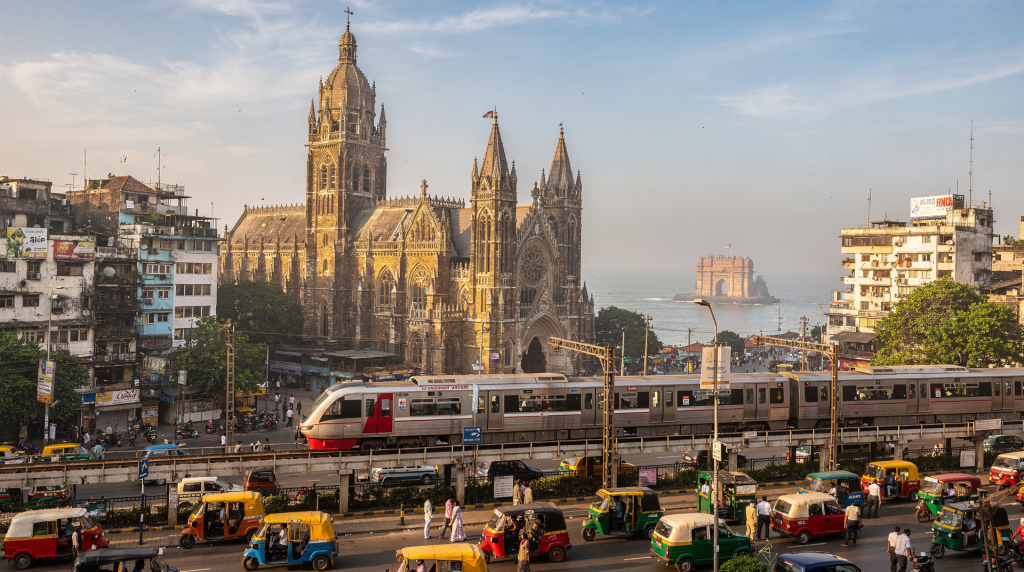
Mumbai doesn’t reveal itself in a weekend. It’s a city where your experience depends heavily on where you base yourself and how you move. I’ve seen too many relocators pick a flat based on photos alone, only to spend three hours a day commuting. This guide is built from years of navigating Mumbai’s neighborhoods, rental markets, and transport quirks—whether you’re visiting for a week or settling in for the long haul.
Why Mumbai feels different from other Indian cities
Mumbai is not a city you “see” in one sweep. Distances are long, traffic can be slow, and the best experience usually comes from grouping sights by neighborhood rather than crisscrossing the city all day. The good news is that many of the most interesting areas are dense enough to explore on foot once you arrive, especially in South Mumbai and Bandra. The city also has a strong rail backbone, expanding metro lines, BEST buses, ferries, taxis, and app-based rides.
For anyone planning to stay beyond a holiday, this linear approach to the city becomes even more critical. Your daily quality of life will be defined by how well your neighbourhood aligns with your work, your children’s school, and your tolerance for commuting. Choose wrong, and you’ll burn hours in transit; choose right, and the city opens up.
Best neighborhoods in Mumbai
1. Colaba: first-time visitors and classic landmarks
Colaba is the most straightforward base for a first trip. It places you close to the Gateway of India, Colaba Causeway, the Taj Mahal Palace area, the Chhatrapati Shivaji Maharaj Vastu Sangrahalaya, and the waterfront. It is one of the few parts of Mumbai where visitors can stack several major sights into a single walk.
Best for: first-time visitors, heritage walks, shopping, easy access to South Mumbai attractions
Watch for: higher hotel prices, heavier tourist traffic, longer taxi waits at peak hours
If you’re considering a longer stay, Colaba’s old-world charm comes at a cost. Apartments in heritage buildings often have high ceilings and colonial character, but many lack lifts and dedicated parking. Rental deposits here can run to 6–10 months’ rent, which is a serious cash-flow consideration for expats on short assignments. For stays of one to three months, serviced apartments or long-stay hotels are usually a more practical choice than a standard lease.
2. Fort and Kala Ghoda: architecture, museums, and the old city
Fort is the city’s historic and commercial heart, while Kala Ghoda is the arts district within it. This is where Victorian and Indo-Gothic architecture, galleries, cafés, and institutional buildings create one of Mumbai’s most walkable urban zones. Chhatrapati Shivaji Maharaj Terminus is nearby and is itself a major attraction.
Best for: architecture lovers, museum visits, photographers, business travelers
Watch for: weekday crowding, limited parking, dense traffic
As a residential neighbourhood, Fort suits those who work in banking or law and want a five-minute commute. The rental stock is limited—mostly older apartments that haven’t seen modern renovations—and prices are high. That said, if you value being able to walk to the Kala Ghoda festival or your favourite gallery, there’s nothing quite like it. For investors, commercial property here holds value, but residential yields tend to be lower than in the western suburbs.
3. Marine Drive and Churchgate: promenade and central access
Marine Drive is the city’s signature seafront promenade, and Churchgate gives easy access to the western side of South Mumbai. This area works well if you want evening walks, sunset views, and quick access to central heritage spots.
Best for: scenic stays, short urban breaks, nightlife nearby
Watch for: premium pricing and noisy traffic during rush hours
Sea-facing apartments here command a significant premium, and landlords know it. For long-term rentals, look one or two streets back from the promenade—around Churchgate or Opera House—where prices soften without sacrificing the location. Noise from the road is a real factor; if you’re a light sleeper, insist on double-glazed windows or a rear-facing unit.
4. Bandra: cafes, creativity, and a more relaxed pace
Bandra has become the city’s most popular lifestyle neighbourhood for younger travelers, long-stay visitors, and people who want a softer landing than South Mumbai. It has a mix of old village lanes, church heritage, street art, restaurants, bars, and sea-facing stretches. It also connects well to the rest of the city via road and suburban rail.
Best for: food, nightlife, long stays, creative energy
Watch for: traffic congestion, fragmented streets, higher prices in popular pockets
This is the default choice for many relocating families and solo expats, and for good reason. Furnished apartments are relatively easy to find, and there are active community groups where landlords post directly. Competition is fierce, though—good units get snapped up within a day. Deposits typically range from three to six months’ rent, but if you have a solid reference letter, you can often negotiate down to three. For families, the presence of international schools, parks, and a large expat community makes the transition smoother. From an investment perspective, Bandra’s residential property has shown steady appreciation, and rental demand remains strong.
5. Juhu: beachside stays and family travel
Juhu is known for its beach, residential feel, and access to cafes, hotels, and entertainment. It is one of the better choices for families or travelers who prefer a less hectic base than the southern districts.
Best for: families, beach access, relaxed stays
Watch for: distance from South Mumbai attractions, travel time during peak traffic
Families with children will appreciate the open space and the proximity to good schools, but the trade-off is connectivity. If your workplace is in BKC or South Mumbai, expect a 1.5–2 hour commute each way during rush hour. Rental villas and larger apartments often come with separate maintenance charges for pools and gardens, so factor those into your monthly budget. For NRI investors, Juhu offers prestige and a stable rental market, though capital appreciation has been slower than in Bandra or Andheri.
6. Andheri: practical base for airport access and business travel
Andheri is not the most scenic part of Mumbai, but it is practical. It sits close to the airport, has strong metro and road connectivity, and works well for business travelers or anyone prioritizing transit convenience over sightseeing atmosphere.
Best for: airport access, work trips, practical short stays
Watch for: less heritage character, busy arterial roads
For corporate relocations and frequent flyers, Andheri East near the metro and office parks is a pragmatic pick. Andheri West is greener and more residential. The metro link to the airport and Ghatkopar has been a game-changer, and the upcoming Dahisar line will only improve connectivity. On the investment side, property prices here have risen in step with metro expansion, and liquidity is generally better than in South Mumbai. One caveat: in older buildings, water quality and power backups can be inconsistent, so inspect thoroughly before signing a lease.
Mumbai neighborhoods at a glance
| Neighborhood | Best for | Main advantages | Main drawback |
|---|---|---|---|
| Colaba | First-time visitors | Major landmarks, walkability, waterfront | Expensive and crowded |
| Fort / Kala Ghoda | Heritage and culture | Architecture, museums, galleries | Busy on weekdays |
| Marine Drive / Churchgate | Scenic stays | Promenade, central location | High hotel rates |
| Bandra | Food and nightlife | Cafes, character, long-stay appeal | Traffic and price inflation |
| Juhu | Families | Beach, relaxed pace, residential feel | Far from South Mumbai |
| Andheri | Transit and business | Airport access, metro links | Less tourist charm |
For anyone planning a longer stay, this table is just a starting point. Real-world priorities—like the availability of furnished housing, proximity to international schools, or a manageable commute to BKC—can shift the ranking entirely. Bandra wins on vibe, but if your office is in Andheri, the daily drive from Bandra can be brutal. Similarly, a family might trade Juhu’s beach for Powai’s gated communities and better access to the eastern suburbs. Always test the commute before you commit to a lease.
Top attractions you should not miss
Gateway of India
Mumbai’s most famous waterfront landmark, best visited early morning or near sunset for better light and lighter crowds. If you’re staying in Colaba, it makes for a pleasant morning walk before the tourist buses arrive.
Chhatrapati Shivaji Maharaj Terminus
A UNESCO World Heritage Site and one of the best examples of Victorian Gothic architecture in India. Even if you are not taking a train, the building is worth seeing from the outside. For architecture buffs, the interior booking hall is equally impressive—try to visit on a Sunday morning when the crowds are thinner.
Marine Drive
A long seafront curve that becomes especially atmospheric in the evening when the lights create the “Queen’s Necklace” effect. It’s also a popular spot for a post-work walk if you live nearby; the breeze makes even the humid months bearable.
Elephanta Caves
Reached by ferry from the Gateway of India, this is one of the best half-day trips from the city. Start early to avoid heat and crowds. The first ferry leaves at 9 a.m.—aim for that one. Families with small children should note that the climb from the jetty to the caves involves a steep staircase; a small toy train covers part of the distance, but strollers are impractical.
Kala Ghoda art district
Good for galleries, architecture, cafés, and a slower walk through South Mumbai’s cultural core. If you’re around in February, the Kala Ghoda Arts Festival transforms the entire precinct into an open-air cultural hub.
Bandra’s heritage lanes
Look for old Catholic heritage, street art, seaside stretches, and the neighbourhood’s more local, lived-in side beyond the restaurant circuit. The Ranwar Village area, with its Portuguese-style bungalows and graffiti, is a favourite for weekend walks.
Hanging Gardens and Malabar Hill
A good stop if you want greenery, sea views, and a break from the density of the city centre. The gardens themselves are modest, but the sweeping view over Marine Drive is worth the detour.
Haji Ali Dargah
One of the city’s most recognizable religious sites, especially memorable for its dramatic setting by the water. Check tide times before you go—the causeway is accessible only at low tide, and during high tide the shrine appears to float.
How to get around Mumbai
Mumbai transport works best when you choose the right mode for the right distance. Trying to cover everything by car is usually the slowest option. For long-term residents, mastering a combination of train, metro, and last-mile transport is the single biggest quality-of-life upgrade you can make.
Local trains
The suburban rail network is still the fastest way to cover longer east-west or north-south distances, especially during the day. It is the city’s transport backbone, with major lines linking the western suburbs, central areas, and harbour-side neighbourhoods.
Use it for: longer city crossings, commuting, budget travel
Avoid it for: first-time peak-hour travel if you are unfamiliar with the system
If you’re relocating, learn your line and the difference between fast and slow trains. A first-class pass is worth the extra cost—it won’t guarantee a seat, but you’ll have breathing room. Women should use the dedicated ladies’ compartments, which are safer and less crowded. Apps like m-Indicator are essential for timetable and platform information.
Metro
The metro is cleaner, more comfortable, and easier for many visitors than the local trains, especially for newer corridors and airport-linked movement. It is a strong option when your route matches a metro line.
Use it for: air-conditioned travel, airport-linked movement, avoiding road congestion
Avoid it for: destinations not directly on the metro network
Mumbai’s metro is still a work in progress, but Line 1 (Versova–Ghatkopar) already makes a huge difference for western suburb residents. A smart card saves time and a small amount on fares. For investors, metro connectivity is one of the strongest predictors of property price growth—keep an eye on upcoming corridors when evaluating neighbourhoods.
BEST buses
Mumbai’s public buses cover a huge part of the city and are useful for short hops or areas not easily served by rail. They are often overlooked by tourists, but they can be practical if you know the route.
Use it for: affordable local movement, short neighbourhood transfers
Avoid it for: tight schedules if you are unfamiliar with routes
The Chalo app shows real-time bus locations, which makes using BEST buses far less intimidating. For daily errands within a 2–3 km radius, buses are often quicker than waiting for a cab.
Taxis and app-based cabs
These are the easiest option for visitors, especially when you are traveling with luggage or moving between neighbourhoods that are awkward by rail.
Use it for: airport transfers, late-night travel, direct point-to-point trips
Avoid it for: rush hour if you are crossing the city
Kaali-peeli taxis are cheaper on the meter, but drivers may refuse fares during peak hours. Uber and Ola are more reliable, though surge pricing during monsoon downpours can be eye-watering. For regular office commutes, some expats hire a private driver—expensive, but predictable.
Ferries
Ferries are useful for reaching Elephanta Caves and can be a pleasant break from road traffic.
Use it for: Elephanta day trips and waterfront movement
Avoid it for: commuting across the city
Beyond Elephanta, the ferries to Alibaug and Mandwa are excellent weekend escapes. They’re not a practical daily transport option, but they add a refreshing dimension to life in Mumbai when you need a quick coastal break.
Choosing the right base in Mumbai
If you want to sightsee efficiently, stay in South Mumbai. If you want food, nightlife, and a more local long-stay feel, Bandra is the better compromise. If you need airport convenience, Andheri makes sense. For family-friendly beach access, Juhu is the easiest fit.
For relocators, the decision goes deeper. Map out your daily commitments—office, school, grocery runs—and pick a neighbourhood that minimises total weekly travel time, not just distance. For investors, South Mumbai offers prestige but lower rental yields; suburbs like Bandra, Andheri, and Powai typically deliver better returns and higher liquidity. NRI buyers should also factor in FEMA regulations and the ease of repatriating rental income, which varies by property type and location.
Practical transport tips
- Start early if your day includes South Mumbai plus another distant neighbourhood.
- Use trains or metro for long-distance movement and cabs for the first and last mile.
- Avoid planning too many cross-city hops in one day.
- Keep extra time for rain, peak-hour congestion, and train platform crowding.
- If you are new to the city, combine one rail journey with one cab ride rather than relying on only one mode.
- If you’re relocating with family, test your potential commute during rush hour before signing a lease. A route that takes 30 minutes on a Sunday morning can easily become 90 minutes on a Tuesday.
- Always have a backup plan for monsoon days when trains are delayed or roads flood. Identify alternative routes and keep a list of reliable cab drivers.
Common mistakes visitors make
- Booking a hotel far from the places they actually want to visit
- Underestimating travel time between South Mumbai, Bandra, and the western suburbs
- Trying to do too many attractions in one day
- Visiting only the “famous” spots and missing neighbourhood character
- Assuming cabs are always faster than trains
Relocators often add a few of their own: choosing an apartment solely on price without checking the commute, ignoring water quality and power backup in older buildings, and underestimating the importance of a lift if you have young children or elderly parents. Also, don’t assume that a “furnished” flat includes everything you need—always ask for a detailed inventory and check the condition of appliances.
Sample 2-day Mumbai itinerary
Day 1: South Mumbai
- Morning: Gateway of India and Colaba walk
- Late morning: CSMVS museum or Kala Ghoda
- Afternoon: Fort architecture walk
- Evening: Marine Drive at sunset
Day 2: North and west side
- Morning: Bandra lanes and sea-facing stretch
- Afternoon: Juhu Beach or a cafe stop
- Evening: Ferry to Elephanta if you want a heritage day, or a relaxed dinner in Bandra
This itinerary also works well as a reconnaissance trip for anyone scouting neighbourhoods before a move. It gives you a clear contrast between the formality of South Mumbai and the more relaxed, creative energy of the western suburbs.
Best way to experience Mumbai
Mumbai rewards planning by area, not by checklist. Stay close to the district that matches your travel style, use trains and metro when distance matters, and save cabs for direct trips or late hours. If you do that, the city becomes much less overwhelming and far more enjoyable.
For those who stay longer, the real magic happens when you stop being a visitor and start becoming a local. Find your neighbourhood chaiwallah, your regular grocer, your morning walking route. Mumbai is not a city that reveals itself in a hurry, but once you settle into its rhythm, it has a way of feeling like home faster than you’d expect.
FAQ
What is the best area to stay in Mumbai for first-time visitors?
Colaba is usually the best choice because it puts you near major landmarks, museums, and the waterfront. If you’re staying longer than a week and want a more residential feel, Bandra offers a softer landing with better long-stay infrastructure.
Is Mumbai easy to travel around?
Yes, but it is time-sensitive. The city is easy to navigate if you use the right transport for the right route and avoid too many cross-city trips in one day. For daily life, mastering the local trains and metro is essential—your commute will make or break your experience. Always check m-Indicator before heading out.
Are Mumbai local trains safe for tourists?
They are widely used and practical, but first-time visitors should avoid peak-hour crowding and learn the route before boarding. Women are strongly advised to use the dedicated ladies’ compartments. First-class carriages offer more space and a calmer environment, though they still get packed during rush hour. Keep an eye on your belongings, especially near the doors.
Which neighbourhood is best for nightlife in Mumbai?
Bandra is the most popular choice for cafes, bars, and a more social evening scene. Lower Parel, with its high-end restaurants and entertainment complexes like Phoenix Mills, is a strong alternative. Juhu has a few beach clubs that are pleasant on weekends.
What is the easiest transport from the airport?
A taxi or app-based cab is usually the simplest option, especially with luggage or if you are arriving late. Pre-booked hotel transfers or reliable private operators can save you from haggling with touts at the terminal. If you’re landing past midnight, avoid the temptation to take a random cab off the street—stick to the prepaid counter or a trusted app.